Tuesday, June 21, 2016

THE TOP TEN NEWEST AND BIGGEST ELDERLY FRAUDS AND SCAMS


Written by: Mark and Carol Fairall
Mark Fairall – Copyright

This World Elder Abuse Awareness Week - June 15th through June 21st


World Elder Abuse Awareness Week is June 15th – 21st and this is its 11th year in existence. The United Nations established this awareness day to promote the better understanding of the abuse and defrauding of the elderly. It is estimated that 10% of elderly Americans (nearly six million) are victims of elder abuse, neglect, or financial exploitation every year. Sadly, less than four percent of these crimes are ever reported.

Senior financial losses are estimated by TrueLink Financial in 2015 to be $36.48 billion every year. It is estimated that seven percent of the elderly experience money losses due to scams with average financial loss of $52,300.  An elder abuse victim is three times more likely to die than non-abused seniors. One senior is abused every five seconds in America.

Please help and better protect the Rights and Safety of the Elderly. They have earned the right to live in dignity without any fears.

We are exposing the top 10 biggest and newest scams of the elderly, which are:

10. GOLD BUYING AND SELLING SCAMS: The Federal Trade Commission (FTC) is reporting significant
losses to the discount gold broker. Seniors are influenced by gold advertising as a safe haven to the declining dollar and rising inflation. Often the seniors wire the funds to the precious metals sellers and never receive their gold or silver. Their FTC reported losses range from $1,000 to $300,000.

Never buy gold or silver from TV or newspaper advertisers. Only buy precious metals from people you know and/or from coin stores that have a physical location. Always use a credit card to buy precious metals not cash.
The “Cash for Gold” is usually a ripoff that uses mail in services and/or free standing vendors. They pay about 10% of the real value of the gold and silver. Get several bids on your gold and silver at reputable coin shops and jewelry stores before selling your precious metals. Remember buying precious metals is very speculative so be cautious because its value can go down too.

9. DOOR-TO-DOOR CONTRACTORS: One of the largest areas of criminal activities against the elderly
are door-to-door contractor scams. They target elderly homeowners in middle income neighborhoods.
The sell: home repair work, driveway coatings, gutter cleaning, chimney cleaning, and yard services. Often they use cheap materials if they show up at all after you paid them. They use forceful scare tactics, fake references, and special deals. Never be intimidated, check out their contractor's license, and get a written contract of what they promise. Never pay cash for the entire job upfront. They often use threats of legal actions and lawsuits to collect more than you agreed too.
Never use door-to-door contractors but use only contractors that are referred from reputable source.

8. ONLINE DATING SCAMS: The most devastating elder scams is Online Dating because it steals your money and heart. Online dating is a $2 billion industry. The feds reported that in 2014 romance scams stole $86.7 million from 5,900 victims who reported their losses to the Internet Crime Complaint Center (IC3). Nearly 75% of the complaints were filed by people 40-years old and older. Woman had 82% of the online dating losses.

NBC News reports that the primary goals of the online dating scammers are: to steal your money, to steal your personal information, and to possibly blackmail you. Dating sites can cost from $30 a month to $2,000 a month depending on the level of the wealth one is looking for in romance. It is costlier to try to find a millionaire on that online dating site.

AARP reports that seniors are the primary targets of romance scammers. The reasons are because they are more trusting and have more money. AARP states that it is possible to find love online but one has to more savvy. Watch for red flags of poor English, fake photos, and money requests. Sadly, many seniors do not report this scam because they are too embarrassed. The online heart stealing crooks keep on breaking wallets and hearts.


7. FREE MEALS INVESTMENT SEMINAR FRAUDS: The Financial Industry Regulatory Authority (FINRA) has

issued an alert that there is no such thing as a "free meal" financial seminar. Their study of 100 free meal seminars found 50% had sales information that was exaggerated, misleading, and unwarranted. They also reported that 13% were outright frauds. These free meal seminars are DANGEROUS.

These free meal seminars target the elderly because they are not savvy investors who are impulsive and far too trusting. The seniors often hope for quick big profits and often invest too much for too long with the hopes of making a bigger financial killing.

It is important to verify who is paying for the free meal and their intent. It is important to do a FINRA Broker Check at (800) 280-9999 to verify if the presenter is licensed and legitimate.

6. IDENTITY THEFT AND INTERNET FRAUDS: The 2015 FTC report documented that reported Identity Theft increased nearly 50% (410,128 FTC complaints). The age group that had the most problems with this fraud at 44% were people between the ages of 40 to 60 years old (mid-life workers).

Most people (10.8%) did not know how the criminal got their identity theft information. The two other big areas of Identity theft information were from data breaches (3%) and internet/email (1.2%). Less than half of identity theft problems (180,753) were reported to the police. The police failed to take an identity theft report on 11% of the crimes.

It is estimated that 15 million Americans lose over $50 billion a year due to Identity Theft. It is reported that 19 people become an Identity Theft Victim every minute.

5. JUNK DEBT COLLECTION FRAUD: Debt Collection is big business. Debt collection can be for credit card debt, lending institution loan debt, personal debt, and rent debt. Collection companies buy junk debt for pennies
on the dollar and hammer the borrower. 

The recent 2015 FTC report found Arizona had 42,575 FTC fraud complaints in 2015. The number one problem reported to the FTC in Arizona for 2015 was fraud complaints was about Debt Collection with 10,211 complaints. Seniors 60-years old and older filed the most complaints at 37% of any other age group.

The junk debt industry is overwhelming the courts with lawsuits. The courts are being flooded by lawsuits that are not substantiated, have false information, and take advantage of the unrepresented poor. The elderly are losing their home to foreclosures at a record pace because they are not aware of the power of a junk debt collector lawsuit. Also, 90% of the elderly homeowners do not have a lawyer or even appear in court at the trial. So the junk debt lawsuit is won and the house is repossessed by Default Judgement.

4. CONTRACT FRAUDS: These are written agreements which are binding and are dangerous to elderly. Too often the elderly are too trusting and are unaware of the possible legal risks. Once a contract is signed it cannot
be changed unless all parties agree. Never be pressured to sign a contract and have it reviewed by an attorney. Too many seniors are being duped by crooked contracts that are written by the attorney of service or product provider.

Senior living contracts are very tricky and avoid anything that requires an arbitration. Arbitration waves your right to sue and any disputes has to resolved by a panel of people reviewing the case. It is important to have the clause that you can break your lease if you require more medical care than the senior living facility can provide. Many senior living facilities have a yearly contract which locks the price but it has the month-to-month option that allows the senior to move.

Never sign a contract with blank spaces, dating errors, cross outs, or without reading it. Cosigning loans is very dangerous because 38% of the cosigners end up having to pay the loan. Never sign for a free trial on a one-year contract because often it is impossible to cancel the contract and payments. Always get a second opinion and ask questions before signing contracts. Get all verbal promises written into the contract.

3. GUARDIANS AND CONSERVATORS FRAUD: Legally appointed guardians take control of the senior's life

, finances, and well-being. This is a legal cesspool of highly paid guardians and/or conservators that have the broad legal authority which is often misused to defraud the handicapped and/or disabled vulnerable adult. There is an estimated 1.5 million Guardians overseeing approximately $273 billion in assets. A recent survey of a federal agency reports that 855 judges report 64% have taken action against the misconduct of guardians. The problem will get worse as the baby boomers age.

Guardians are granted authority over their ward's medical care, living conditions, and finances. Too often the Guardian takes advantage of the senior while the legal system ignores the scam. There are over 10 million seniors that have their lives dictated by a court appointed Guardians. The Guardianship Industry is growing over 20% a year because it is very profitable and it very easy to misuse.

It is estimated that Guardianship losses for 2015 exceeded $36.5 billion.

2. COUNTERFEIT DRUGS AND MEDICAL MISTAKES: The phony drug suppliers target older Americans because 71% of hospital prescriptions are written to them. These medically worthless and toxic drugs are a $200 billion scam that represents 10% of all drugs sold. These cheap fake drugs are sold for less money and often on the internet. 

The U.S. Food and Drug Administration (FDA) along with INTERPOL just completed this month Operation Pangaea IX. The feds shut down 4,402 websites selling illegal and dangerous drugs from 115 countries. AARP estimates that there are 36,000 "rogue" Internet pharmacies selling counterfeit drugs which contain heavy metals, rat poison, and even toxic highway paint.Besides the fake drugs the feds reported that the online internet sites posed other risks of credit card fraud, identity theft, and computer viruses. It is recommended to avoid "Canadian Drug Sales Companies”, small pharmacies often located in strip malls, and when the price is too low.

A new study by Johns Hopkins medical school has reported that the third-leading cause of deaths (250,000) in the USA is caused by medical errors. Many of the medicals errors happen in hospitals but Death Certificates do not have a place on it to report the medical error death. The World Health Organization stated the present system cannot track medical error deaths. Death Certificates need to have an extra field to report that decease died because of the care they received. The medical error death rate is getting worse from 98,000 reported in 1999 to 180,000 reported in 2010 to 250,000 reported in 2016. That is a shocking increase of nearly 10% a year of people that die due to medical errors.

It is reported by the Journal of American Medical Association that it is estimated that 14% of medical procedures are not needed.

1. MEDICARE FRAUDS: The number one area of scams of the elderly is Medicare Fraud. It is estimated that nearly $125 billion is lost every year due to Medicare Fraud and Over-payments.

Medicare covers the health care coverage of 69 million people at the cost of $529 billion a year. It is estimated that nearly 24% is fraud. The largest area of fraud is people who are not qualified receiving Medicare coverage. The next area is charging Medicare for service not provided. Lastly, Medicare fraud is providing payments to unqualified healthcare providers. 

Medicare is a "high-risk" federal program because of the lack of proper oversight.


Wednesday, June 1, 2016

WORLD ELDER ABUSE AWARENESS DAY - JUNE 15, 2016


WORLD ELDER ABUSE AWARENESS DAY  
JUNE 15TH

Written by: Mark and Carol Fairall – Elder Justice Advocates
June 01, 2016

World Elder Abuse Awareness Day (WEAAD) is June 15th and this is its tenth year in existence. The United Nations established this awareness day to promote the better understanding of the abuse and neglect of the elderly. It is estimated that 10% of elderly Americans (six million) are victims of elder abuse, neglect, or financial exploitation every year. Sadly, less than four percent of these crimes are ever reported. The Administration for Community Living and the National Center on Elder Abuse encourages the public to increase elder abuse prevention education in order to fight ageism, elder isolationism, elder apathy across the nation.  

Elder Abuse is the intentional or neglectful acts that leads to or may lead to harming a vulnerable adult.  Elder abuse is the neglected stepchild of domestic violence and child abuse in the triangle of human violence. There are three types of elder abuse, which are: Neglect, Physical or Emotional Abuse, and Financial Exploitation.  An elder abuse victim is three times more likely to die than non-abused seniors. One senior is abused every five seconds in America.

Senior Fraud is the deception of the elderly with the intent to defraud, such as false advertising. Senior Financial Exploitation is the illegal use of the vulnerable adult’s resources for another person’s gain or profit.  Senior financial losses are estimated by TrueLink Financial in 2015 to be $36.48 billion every year. It is estimated that seven percent of the elderly experience money losses due to scams with average financial loss of $52,300.  Most of the victims are between 80 to 90 years old and women are twice as likely to be victims of scams. The elderly financial losses result in: the skipping medical care, going without meals, and depression.  Over 90% of senior financial losses are caused by family members stealing from them.

The top financial scams against seniors are:
1.   Health Care / Medicare / Health Insurance Fraud,
2.   Counterfeit prescription drugs,
3.   Funeral & cemetery scams,
4.   Fraudulent anti-aging products,
5.   Telemarketing,
6.   Internet fraud,
7.   Investment Schemes,
8.   Homeowner / Reverse Mortgage Scams,
9.   Sweepstakes & Lottery Scams, and
10. The Grandparent Scam.

Useful Tips to Prevent being scammed:
1.  Stay informed on what scams are going on.
2.  Don’t live in isolation but share information with friends and family.
3.  Have all background checks on all in-home caregivers.
4.  Properly research senior living facilities for complaints and inspection reports.
5.  Keep an inventory and pictures of all jewelry plus lock them up in a secured container.
6.  Use good financial practices, such as: securing your checkbook, keep limited cash at home, and use good financial planners.
7.  Use a shredder to shred your mail and important documents.
8.  Never allow mail to sit in an unsecured mail box.
9.  Obtain a Credit Report twice a year and check for identity theft.
10. Have caller ID on your phone and don’t answer it unless you know who is calling.
11. Be careful on the Internet and only buy on secured sites.
12. Have a duplicate bank statement sent to a trusted family member.
13. Choose a handyman wisely that is referred from a reputable source.
14. Always be on guard at your front door and possibly have a dog for protection.
15. Don’t be a silent-victim but report any elder abuse or fraud to the authorities.

In 2010, the Federal Government passed the $777 million Elder Justice Act. So far only $13 million has been used to fight elder abuse.  Elder Rights are not recognized as a constitutionally protected class. Once this is passed elder abuse and fraud could be prosecuted with increased vigor and with harsher penalties as “Hate Crimes” against one class of Americans. More needs be done by the Federal Government to better protect the Rights of the Elderly.


Saturday, May 28, 2016

THE ARIZONA JUNK DEBT COLLECTION INDUSTRY IS OUT OF CONTROL


June is Consumer Rights Awareness Month
A major violator of American’s Consumers Rights is the Junk Debt Collections
By: Mark and Carol Fairall
May 28, 2016
The JUNK DEBT COLLECTION INDUSTRY of firms buying debts for pennies and aggressively collecting from consumers started in the late 90’s. The problem is that not only the debtors are being attacked but many consumers are being attacked that never owed or had already paid the debt. Arizona is considered “Industry Driven (favored)” by passing laws that soften the burden to produce less documents and lengthening the Statues of Limits to six years. Arizona has laid out the “welcome mat” to the Debt Collector Industry.
Some facts about this despicable industry are:
1. Four Million Americans had their wages garnished because of a consumer debt in 2013.
2. Americans earning $15,000 to $40,000 a year were mostly likely to be garnished.
3. Black communities are hit harder by debt collectors.
4. One out of three Americans are being hassled by debt collectors
5. The debt collector industry is dominated by large stock trading companies.
6. Most of the lawsuits in the U.S. are filed by debt collectors.
7. Over 97% of the consumers being sued by debt collectors do not have an attorney.
8. Debt collection company file more lawsuits where state laws are industry driven with low court fees, no limits on interest rates with excessive extra charges, and have a long Statute of Limits for debt collections.
9. An improved economy does not resolve the consumer debt problems. It continues with high interest rates and “Rubber Stamping” granted debt collector lawsuits in the courts.
10. Junk Debt Collector have very active Lobbyists that influence state lawmakers.

In 2011, the Arizona lawmakers extended the Junk Debt Statute of Limitations from three years to six years. In 2012, the Arizona lawmakers passed HB 2664 which allows the uncontested court action to be established for a Junk Debt Collector with one single copy of a bill. This allows the easy collection on bills already paid. Arizona has one of the highest number employees of Bill Collectors with 9,310 working in the industry. Arizona richly profits from licensing debt collection companies where other states do not charge a license fee. It costs $1,500 a year to license the more than 400 Arizona Debt Collection Companies. Arizona has limited authority to regulate and prosecute bad debt collectors only through the Arizona Attorney General. Arizona is the “Wild-Wild West” for not protecting consumers’ rights.
The Consumer Financial Protection Bureau (CFPB) was established in 2010 after the last major financial disaster. Its purpose is to identify, regulate, and educate consumers about unfair financial practices. This is the agency that protects the public from unfair debt collectors with the CFPB’s prosecution. The Consumer Financial Protection Bureau (CFPB) reported 74,000 complaints were filed for improper debt collection in 2015. The Number One Arizona Consumer Complaint filed with the Federal Trade Commission (FTC) for 2015, which is DEBT COLLECTION. The FTC had 10,211 complaints about debt collection abuse and violations filed by Arizonans in 2015 and most of the complaints were filed by the elderly The Debt Collectors industry earns an estimated $13 billion profit a year industry in sales and employs 140,000 people in 6,000 companies. The Federal Debt Collection Protection Act (FDCPA) spells out what is allowed and not allowed by debt collectors The Federal Trade Commission (FTC) focuses on scams, unfair business practices, and deceptive advertising.
FTC COMPLAINTS - 2015


A study by Urban Institute shows 35% of adults have experience debt collectors. The CFPB shows the following data:
1. Third-party or junk debt collectors often lose information when transferring the debt from one party to the next.
2. Collecting paid debts with 42% of the debts they are collecting have already been paid.
3. Multiple aggressive calls during the day outside the 8 am to 9 pm window to call the debtor.
4. Credit card companies received the most complaints.
5. Having many lawsuit threats and reporting many fake lawsuits against the debtors.
6. Misleading you by saying debt validation is impossible until court.
Keep a copy of all the correspondence and time when contacted by debt collectors. When you receive debt
collectors letter for the first time you have 30-days the DEMAND A DEBT VALIDATION. Mail your letter CERTIFIED MAIL WITH A RETURN RECEIPT to the debt collector within 30 days. Over 80% of the time the debt collector does not respond. You can file a FDCPA debt collection violation with the CFPB. They are fined $1,000 if the debt collector continues to harass you. You receive the $1,000 fine paid by the debt collector and often the debt can be dismissed in a lawsuit.
Often consumers are contacted by many junk debt collectors on the same account. That is because the past due credit card account can be sold to many junk debt collectors for less and less money. Too many times important information is lost in the debt collection “hot potato” method of collecting. This often results in several collectors calling on the same debt that was paid off or is not yours. Many courts forgive the debt owed when the junk debt collector is unable to provide the chain of title of the debt. When you demand a validation of the debt also demand all documents for the authority to collect and the Chain of Title (ownership of the debt).
Junk Debt Collectors break the FDCPA laws by:
1. Attempting to collect that is not owed.
2. Using harassing and verbal abuse of threats on the phone.
3. Trying to collect the same debt twice.
4. Attempting to collect an expired debt by “re-aging” it by changing when the debt occurred to a later debt.
Over 70% of credit card debt is bought by Junk Debt Collectors for 6% of the credit card debt or less. The average amount the Junk Collector will settle for is 55% of the debt. On a $10,000 debt their cost is $600 and their profit margin is $4,900 (over 800% profit margin). This is a very profitable industry that is rapidly growing by defrauding the poor.

Arizona’s worst junk debt collector is ENCORE CAPITAL GROUP (ECG). ECG is located in California is the largest Junk Debt Collector that is publicly traded on the stock exchange. The CFPB just won a lawsuit against ECG. ECG has to refund $42 million to consumers, pay $10 million in fines, and stop collecting on $125 million in junk debts. The second worst junk debt collector is PORTFOLIO RECOVERY ASSOCIATES (PRA). PRA, located in Virginia, is the second largest Junk Debt Collector traded on the stock exchange. The CFPB just won a lawsuit against PRA. PRA has to refund $19 million to consumers, pay $8 million in fines, and stop collecting on $3 million in junk debts.
Junk Debt collection is big business due to the huge profit margins and increased consumer debt non-repayment. The attorney firms can simply be collectors for credit card companies but they also buy the junk debt. An Arizona leading attorney for FDCPA violation lawsuits, John Skiba, just wrote on 05/03/2016 about PRESSLER & PRESSLER law firm. The CFPB just won a lawsuit against this junk debt buyer for $2.5 million. This law firm filed lawsuits just to deceive or intimidate consumers without proper verification of the debt.
It was found that many debt collecting law firms violate the FDCPA laws with the following illegal actions:
1. Made false allegations about the consumer’s debt,
2. Filed lawsuits based upon unreliable or false information, and
3. Harassed consumers with unsubstantiated court filings.
One of the major problems in the Junk Debt Collector Industry is the failure of their lawyers to properly review the evidence before filing a lawsuit. It was noted that many debt collection attorneys spent less than a minute, often less than 30-seconds, reviewing a case before initiating a lawsuit. Their volume is so great and the attorneys are so greedy that they rush to illegal lawsuits. The Consumer Financial Protection Bureau requires the debt collector’s lawyer to contact the consumer to verify the debt and the consumer has 30-days to respond. Failure to allow the consumer 30-days to dispute the debt can lead to an unfair and costly lawsuit for the consumer to fight and it could cost the lawyer a $1000 fine plus repayment for the consumer’s costs and damages incurred. (On a personal note this just happened to us and we nearly lost our home in an illegal foreclosure.)
In 2013, over 21,000 new junk debt collector Arizona lawsuits were filed by five large companies which represented 15% of the year’s total lawsuits. An Arizona judge admitted he processed 60 cases in four hours which was one every four minutes. The Arizona courts are full of errors and abuse by junk debit collectors and the consumer often fails to appear because they feel despair and hopelessness. These “Box Load” of lawsuits are overwhelming both the courts and consumers. However, Arizona lawmakers are making the state richer with fees for very profitable Junk Debt Collectors License that have no real oversight and control of the industry. The 80-page 2016 report “RUBBER STAMP JUSTICE: U.S. COURTS, DEBT BUYING CORPORATIONS AND THE POOR” was researched and written by an international human rights organization, HUMAN RIGHTS WATCH, and can be found online at:
https://www.hrw.org/report/2016/01/20/rubber-stamp-justice/us-courts-debt-buying-corporations-and-poor 

The states that are favoring junk debt collectors are: Arizona, Arkansas, and Tennessee. The states that are passing stronger laws to protect the consumers from this devastating and greedy industry are: California, Maryland, Missouri, New York, and North Carolina. The Federal Government is looking at passing laws that have consistent rules of evidence required from junk debt collectors and better support for the debtor’s rights.


Don’t ignore junk debt collectors and don’t let them bully you. Fight back and keep your money and Consumer’s Rights!


BEST VALIDATION LETTER


ONLY 10% OF THE CONSUMERS FIGHT
DIRTY RAT JUNK DEBT COLLECTORS.

Saturday, May 14, 2016

MAY IS STROKE AWARENESS MONTH

May is National Stroke Awareness Month
Written by: Mark and Carol Fairall (Stroke Survivors) – May 2016
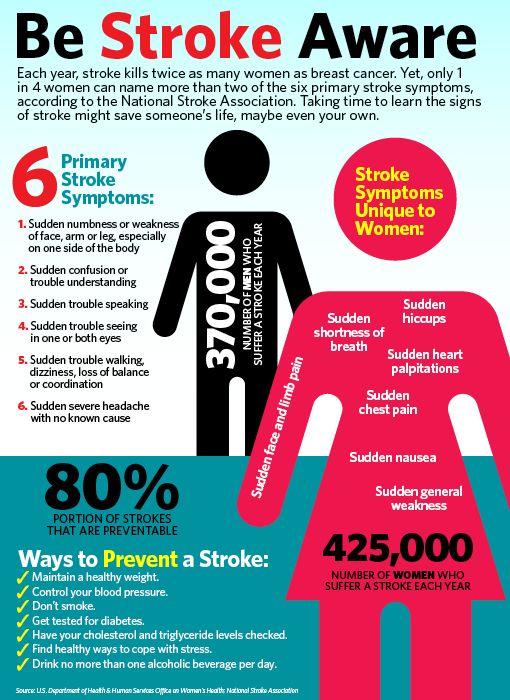
National Stroke Awareness Month began in May 1989 after President George H. W. Bush signed the Presidential Proclamation 5975. National Stroke Awareness Month. The stroke awareness proclamation aims to increase the public awareness about the warning signs of stroke, symptoms of a stroke, stroke prevention, and the impact of stroke on survivors, families and caregivers.
Important Stroke Facts for Americans

1. Stroke is the third leading cause of death in the United States. More than 140,000 people die each year from stroke in the United States.
2. Stroke is the leading cause of serious, long-term disability in the United States.

3. Each year, approximately 795,000 people suffer a stroke. About 600,000 of these are first attacks, and 185,000 are recurrent attacks.

4. Over four million Americans are living with the effects of a stroke.

5. Strokes can and do occur at ANY age. Nearly one fifth of strokes occur in people under the age of 55.

6. On average, someone in the United States has a stroke every 40 seconds.


7. High blood pressure is the most important risk factor for stroke.


8. Over 100 babies born with sickle cell disease have a stroke.


9. Eleven Stroke Belt States have a 10% higher death rate than the U.S. average, they are: Alabama, Arizona, Georgia, Indiana, Kentucky, Louisiana, Mississippi, North Carolina, South Carolina, Tennessee, and Virginia.


10. Act F.A.S.T. – Observe Face, Arms, Speech, and Time - You have a three-hour window before a stroke causes permanent brain damage.

Strokes are also a world problem. Over 15 million people have strokes all over the world and 5 million die every year because of a stroke. Every two seconds someone in the world has a stroke. One person dies every six seconds in the world from a stroke. Strokes kill more people each year in the world than AIDS, TB, and Malaria put together.


There are three types of strokes, they are: Ischemic Stroke, Hemorrhagic Stroke, and Transient Ischemic Stroke (TIA). An Ischemic Stroke represents 80% of all strokes and is caused by a blood clot that blocks the blood flow to the brain. A Hemorrhagic Stroke occurs when a blood vessel ruptures within the brain. A TIA is a transient ischemic attack or a “mini-stroke.” A TIA is temporary but it should not be ignored. It is a blood clot that passes through the brain. One in twelve mini-stroke sufferers have a major stroke within one week.


Strokes can lead to full brain cell destruction and death. Some stroke symptoms are:

1. Blindness,

2. Speech Difficulty,

3. Dizziness and Vertigo,

4. Weakness of face, arms, and legs and,

5. Confusion.


One-fifth of the strokes happens to people under 55. One of seven strokes in young adults are misdiagnosed (Journal of Stroke and Cerebrovascular Diseases study). Many young adults end up with life-long disabilities. It may take years to even partially recover from a stroke. Also, a young person who has suffered a stroke has a higher mortality rate. According to the Misdiagnosis Study, you have only three hours to stop permanent brain damage from a stroke. Most of the hospital misdiagnoses occurs in hospitals that are not primary stroke centers.


Stress can cause strokes. The American College of Cardiology’s new research shows that increase activity in the brain’s stress centers leads to inflammation causing heart attacks and strokes. Stress also stimulates bone marrow to release cells which may cause body inflammation. Prolonged stress may also lead to anxiety and depression. The doctors stated to overcome stress the following steps should be taken:

1. Be quite 30 minutes a day.

2. Engage in physical activity 30 minutes a day.

3. Spend time with nature on the beach or in the mountains.

4. Have activities that nourish your body, mind, and soul.

5. Put yourself first and serve others.

6. Seek balance by slowing down, meditating, and praying

7. Eat a healthy diet.

8. Use credible natural remedies to improve your body and mind.


The misuse of antidepressants can cause anxiety, constipation, suicide thoughts, weight gain, and sexual dysfunction.


Dr. Zach is the Honor Health John C. Lincoln Medical Center’s Vascular Neurologist. His ARIZONA REPUBLIC newspaper article on 05/06/2016 stated that nine out of ten Americans don’t think strokes are a major health problem. Dr. Zach states: “Timing is everything.” The stroke victim loses two million brain cells every minute delayed in getting treatment for a stroke. Eighty percent of strokes are preventable before it occurs.


Strokes can happen to dogs and cats for the same reasons as people but also for: exposure to poisons, internal parasites, and Rocky Mountain spotted fever (caused by ticks). It is important to take your pet to a veterinary specialist that can perform a MRI and CT scan. Once a pet has a stroke they need continuous monitoring during recovery which could take several months. Pet’s brains are different from humans and the part that controls voluntary movement is located in a different area. Strokes usually don’t cause permanent paralysis like it can do in humans. The earlier the diagnosis and treatment the best chance the pets have for a full recovery.

Eating healthy can help prevent strokes. CNN reported on 4/26/2016 that 15,000 people in 39 countries participated in this study. The results were that one third of the people did not have heart attacks and strokes because they ate a healthy Mediterranean diet. This included salmon, fruits, vegetables, whole grains, and had a glass of wine. To live longer avoid fried foods, processed foods, and sugary foods.


According to the National Stroke Association:

10% of stroke survivors recover almost completely,

25% recover with minor impairments,

40% recover with moderate to severe impairments,

10% require nursing home care, and

15% die shortly after their stroke.

About 14% of stroke survivors have a second stroke within a year after their first stroke.
Successful rehabilitation depends on:

1. Amount of brain damage,

2. Quality and speed of Rehabilitation team, and

3. The degree of cooperation and caring by family members.


Please share this important Stroke Information in order to prevent strokes and help stroke survivors.